


Item build
Balancing Weapon, Vitality and Spirit items: which tier to buy when, how the investment bonus works, what changes against the enemy and when to sell.
Three slots, four tiers
Every item in the shop belongs to a slot and a price tier.
Weapon
Weapon damage, fire rate, magazine, bullet velocity and on-hit effects. The main slot for heroes who deal damage with their guns.
Vitality
Health, resist, lifesteal, healing and movement. Keeps you alive in fights; every hero needs it.
Spirit
Spirit Power, cooldowns, ability range and active spells. The main slot for heroes who deal damage with their abilities.
Items change things like ammo count, melee damage or health regen; items that boost Spirit Power strengthen your abilities. Each hero has a recommended items tab.
The game’s tutorial: “Buying Items”Tiers
Prices come from game data; buy minute and sell rate from this patch’s matches (deadlock-api, all heroes and ranks). The minute is the average across the matches where the item was bought.
Which tier when?
The minute at which the community buys items in this patch. If you’re behind this curve in your own match, you’re falling behind on farming Souls.
Data can’t be loaded right now.
Overview
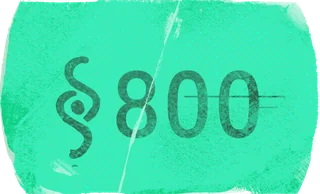
- Lane (first ~10 minutes): cheap 800 and 1,600 Souls items. Prioritize the ones that help you survive in lane and last hit.
- Mid game: 3,200 Souls items, your hero’s core power. Some of the cheap items get upgraded here.
- Late game: 6,400 Souls items. Once slots are full, cheap items get sold and these take their place.
- For each item’s minute-by-minute win curve, see the buy timing model; click an item for all of its stats.
The most bought item in each tier this patch (all heroes).
Investment bonus
As the total Souls you spend on a slot pass the thresholds, your hero gets a permanent bonus. Values come from the game’s hero data and are the same for all heroes.
Adapt to the enemy
A ready-made build is a good start, but buying the same order without looking at your opponent loses matches. Ask three questions: what does my hero scale with, what is killing me, what is the enemy relying on?
Against healing
Items that cut healing if the enemy heals or lifesteals a lot.
Against resist
Items that lower resist if the enemy stacked resist items: your damage works again.
Against damage
Are they killing you with guns or abilities? Pick bullet or spirit resist accordingly.
Against crowd control
If stuns, slows and silences keep taking you out of the fight.
Lifesteal
Items that steal health from the damage you deal, to stay alive in long fights.
By role
Brawlers lean on Vitality, Marksmen on Weapon, Mystics on Spirit items; but none of them wins with a single slot. For your role’s core items, see the role guides.
Extra slots and selling
Extra (flex) slots
You unlocked an extra slot by destroying one of the enemy Walkers.The game’s notification; for the second and third slots: “two” and “all of them”
On top of the Weapon, Vitality and Spirit slots, there are extra slots that take any type of item. According to in-game notifications, destroying one, two and all of the enemy Walkers unlocks one more slot each. So taking objectives brings you power, not just Souls.
When to sell?
… for half its purchase price?The game’s sell confirmation
Selling refunds half price. Only sell cheap items once slots are full and you have the Souls to buy something stronger in their place. In the game’s builds, every item gets a sell priority: with full slots, quick buy sells higher-priority items first.
Builds
In the game, items in a build are sorted into Early Game, Mid Game, Late Game and Flex sections.
Find a ready-made build or make your own
The community’s most played builds by hero; while you make your own build, the hero’s stats (health, weapon damage, Spirit Power) are calculated as you add items.
Checklist
- Win your lane firstThe first items are cheap and fast: buy the ones that help you survive in lane and last hit.
- Pick your main slot, but don’t neglect the othersInvest in whatever your hero scales with; nobody survives without Vitality.
- Watch the investment thresholdsOnce the Souls you spend on a slot pass a threshold, you get a permanent bonus; if you’re close to one, buy from that slot.
- Watch your opponentAnti-heal against an enemy who heals, resist shredders against one who stacks resist, bullet resist against whoever kills you with guns.
- Take objectives, unlock slotsDestroying a Walker means an extra item slot.
- Don’t rush to sellSelling refunds half price; only do it once slots are full and you can afford something stronger.
Frequently asked questions
How much do item tiers cost in Deadlock?
How many Souls do you get back when selling an item?
How do you unlock an extra (flex) slot?
What is the investment bonus?
Next guide
Without knowing where to farm Souls, an item order is only half done: head to the soul economy guide.